Reshoring, Real Costs & Resilience: Key Takeaways from Today’s Industry Meet-up
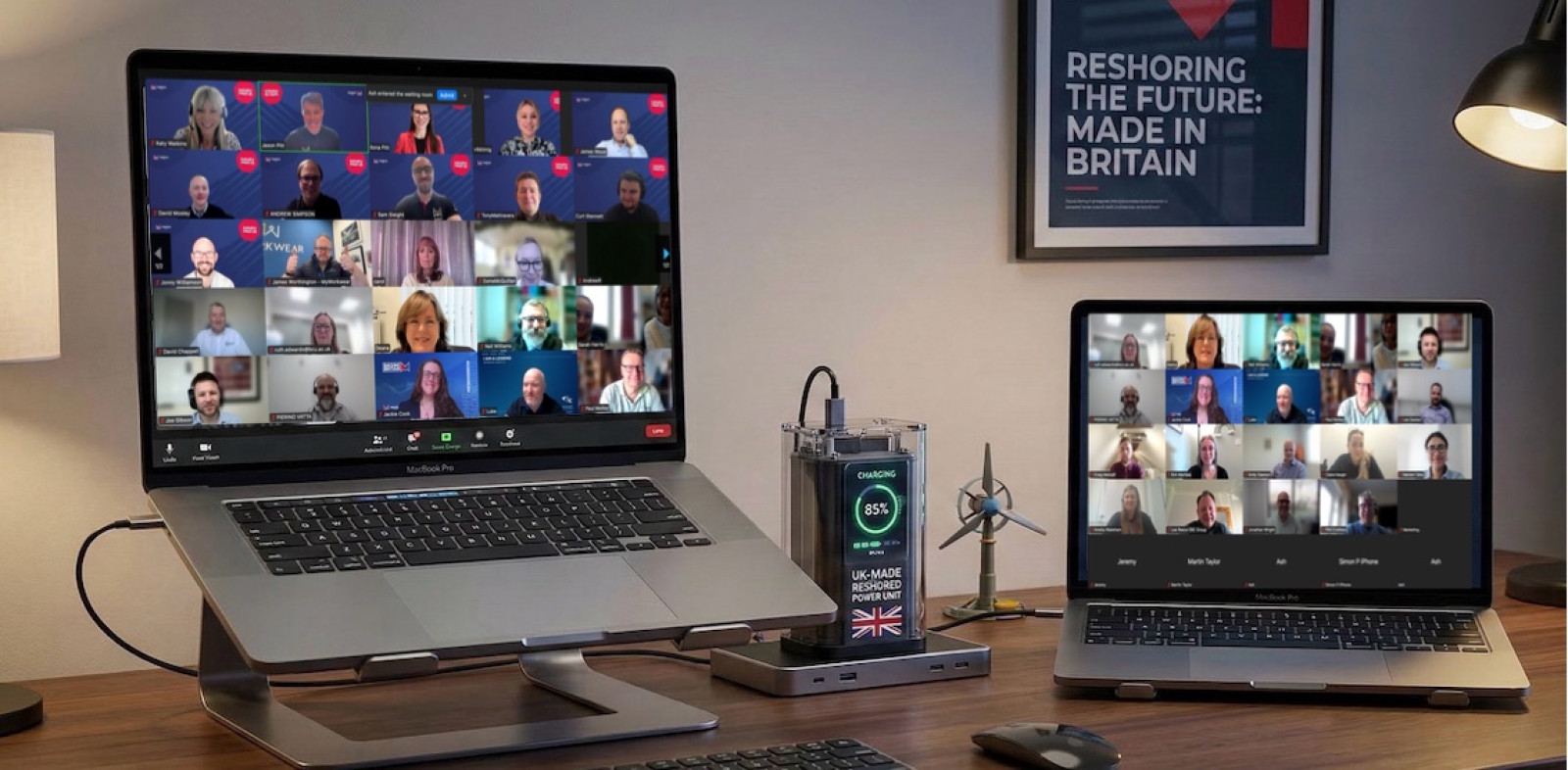
Today, members from across the UK joined a national online Industry Meet-up to explore some of the most pressing challenges and opportunities facing the manufacturing sector. The session, hosted by Ilona Pitt, brought together leaders from across the network for a focused 75 minute discussion on reshoring, cost management, and resilience.
With contributions spanning engineering, supply chain strategy, and energy management, one theme stood out: manufacturers who take greater control of their operations are better positioned to compete, adapt, and grow.
Across the discussion, it became clear that resilience is no longer a defensive strategy, it is a commercial advantage.
Andrew Simpson, Managing Director of Apex Pumps, opened the session by sharing insight into the company’s reshoring journey. His experience highlighted that bringing production back to the UK is far more than a simple supplier change, it requires significant investment, operational redesign, and a long-term commitment to capability building.
Businesses that have successfully reshored are not chasing short-term savings. Instead, they are reducing risk, improving quality, and building more predictable supply chains. In Apex’s case, this has included investment in machinery, strengthening relationships with UK-based suppliers, and a focus on developing skills within the workforce.
The conversation then turned to one of the most misunderstood aspects of manufacturing: the true cost of “cheap.” David Mosley, Managing Director of Trojan Baths, shared his perspective on the hidden costs associated with overseas sourcing.
While lower headline prices can be attractive, factors such as delays, quality issues, miscommunication, and logistical complexity often erode any initial savings. For many manufacturers, the move towards more localised supply chains is not about being the cheapest—it is about consistency, accountability, and responsiveness.
The ability to react quickly and maintain quality is becoming an increasingly important competitive advantage.
Energy was also highlighted as a critical, and often overlooked factor. James Wood, CEO of Optimised, explained that while many businesses focus on unit rates, a large proportion of energy costs sit outside of this.
Inefficient procurement, unnecessary consumption, and billing inaccuracies can quietly impact profitability. In some cases, businesses have identified substantial savings simply by improving visibility and management of their energy usage.
The discussion reinforced that energy should not be treated as a fixed overhead, but as an area where informed decisions can drive performance and resilience.
What made the session particularly valuable was how these themes connected. Reshoring strengthens supply chain control. Local sourcing improves reliability. Effective energy management protects margins.
Together, they point towards a more deliberate, systems-led approach to manufacturing.
The session concluded with interactive roundtable discussions, where members shared experiences and practical solutions, demonstrating the strength of collaboration within the Made community.
As the sector continues to navigate uncertainty, the direction of travel is clear. Manufacturers that focus on control, resilience, and smarter decision-making will be best placed to succeed in the years ahead.
Members are encouraged to continue the conversation by attending upcoming Made in Group events—RSVP to secure your place and connect with peers across the network. If you would like to speak at a future meet-up or share your insights through a member article, the team would be keen to hear from you.
You can also share your latest company news with the community via the platform, helping to showcase best practice and strengthen connections across UK manufacturing.